
ADR Dangerous Goods Transport
ADR-compliant road transport of dangerous goods across Europe. Certified drivers, correctly equipped vehicles, complete ADR documentation and a DGSA-reviewed process.
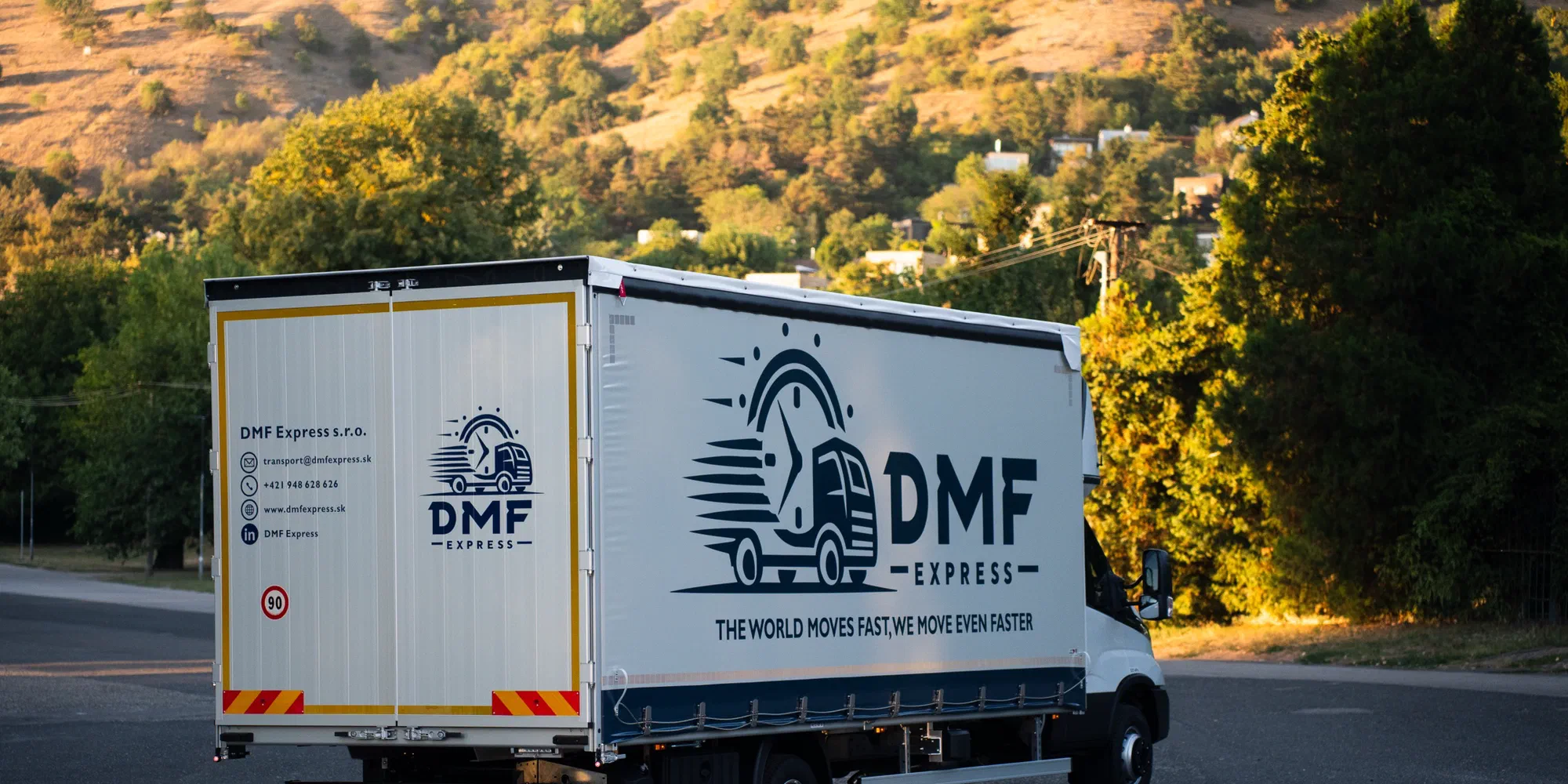
Dangerous goods, handled correctly
Transporting dangerous goods is not ordinary freight with extra stickers. ADR - the European Agreement concerning the International Carriage of Dangerous Goods by Road - governs classification, packaging, marking, documentation, vehicle equipment, driver training and load segregation. Getting any one of them wrong exposes the consignor as well as the carrier.
DMF Express carries ADR-classified goods with certified drivers and correctly equipped vehicles, and our forwarding desk checks the classification before a vehicle is assigned, not after it arrives.
What we take care of
- Classification check - we verify the UN number, class, packing group and quantity against your safety data sheet, and confirm whether the load qualifies for limited quantities or the 1.1.3.6 exemption thresholds.
- Correct vehicle and equipment - fire extinguishers to the required capacity, eye rinse, absorbent material, warning signs, personal protective equipment and, where required, orange-plate marking.
- ADR certified drivers - trained and certificated for the classes they carry, and briefed on the specific consignment.
- Transport documentation - ADR transport document with the prescribed wording, written instructions in the required languages, packing certificates where applicable.
- Segregation and mixed loading - checked against the ADR mixed-loading table before the loading plan is made.
- Route restrictions - tunnel categories and national restrictions checked at planning stage, which is exactly where a tunnel ban must be discovered rather than at the tunnel entrance.
Limited quantities on our own 7.2 t fleet
A large share of ADR enquiries turn out to be limited-quantity consignments - paints, aerosols, cleaning chemicals, small containers of solvent. These can travel on our own 7.2 t curtain-side vehicles, which means you get a direct run with our own driver rather than waiting for a specialised full-ADR trailer. It is usually both faster and cheaper, and it is the first thing we check.
Consignor responsibilities
ADR places duties on the consignor as well as the carrier. Before loading, you are responsible for correct classification, approved and undamaged packaging, correct marking and labelling of packages, and a correct declaration to the carrier. We will tell you if something is wrong - an unlabelled drum or a missing safety data sheet stops the loading, because at a roadside inspection it stops the whole vehicle.
If your organisation moves dangerous goods regularly and does not yet have a Dangerous Goods Safety Adviser (DGSA), that is a legal requirement in most cases across the EU. Ask us and we will point you in the right direction.
| Class | Description | Typical goods |
|---|---|---|
| 2 | Gases | Compressed and liquefied gases, aerosols |
| 3 | Flammable liquids | Solvents, paints, alcohols, fuels |
| 4.1 / 4.2 / 4.3 | Flammable solids and reactive substances | Metal powders, matches, carbides |
| 5.1 / 5.2 | Oxidising substances and organic peroxides | Fertilisers, peroxides |
| 6.1 | Toxic substances | Pesticides, laboratory chemicals |
| 8 | Corrosive substances | Acids, alkalis, battery electrolyte |
| 9 | Miscellaneous dangerous goods | Lithium batteries, environmentally hazardous substances |
Frequently asked questions
What information do you need to quote an ADR shipment?
What are limited quantities and the 1.1.3.6 exemption?
Do you carry Class 1 explosives or Class 7 radioactive material?
Can dangerous goods be combined with other cargo on the same vehicle?
All services
International Road Freight
Door-to-door road transport across Europe, with route planning, documentation and tracking handled end to end.
Express & Time-Critical Transport
Direct, non-stop runs when the delivery date cannot move - dispatched within hours, driven without transhipment.
Full Truck Load (FTL) up to 24 t
Standard, mega and jumbo trailers for full loads up to 24 t and 100 m³, on European lanes.